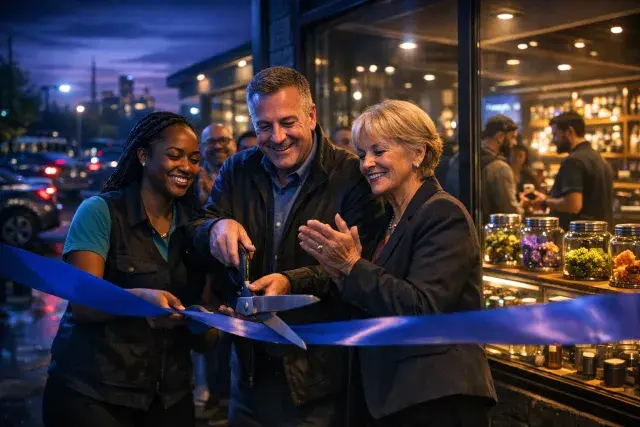

Bluepoint Wellness, Connecticut's last remaining medical-only cannabis dispensary, is relocating within Westport and plans to convert to a hybrid adult-use and medical model once it settles in a new, yet-to-be-named town within the next 18 to 24 months. The move is a direct consequence of Westport's zoning code, which has blocked recreational cannabis sales since 2021 - and it will almost certainly mark the end of the medical-only dispensary format in the state. For operators, investors, and regulators watching Connecticut's regulated market, the story is about more than one store's address change; it's a case study in how local land-use rules, patient enrollment trends, and shifting retail economics are quietly forcing a structural consolidation in medical cannabis.
When Zoning Code Becomes Business Strategy
Here's the thing about local zoning in adult-use cannabis states: it doesn't just shape where dispensaries can open - it determines what business model is viable at all. In 2021, Westport amended its zoning code to prohibit recreational cannabis businesses, citing traffic concerns. That decision effectively locked Bluepoint into a shrinking, single-market revenue model at exactly the moment Connecticut's adult-use program began drawing patients away from the medical registry.
The operational math gets uncomfortable fast. A medical-only store carries all the fixed costs of any licensed retail cannabis operation - lease, seed-to-sale compliance, METRC reporting, staff, security, compliant packaging, point-of-sale systems - but draws from a patient pool that has contracted sharply. Connecticut's medical cannabis patient count dropped from nearly 49,000 to fewer than 32,000 following the launch of recreational sales in 2023. Annual medical sales declined in 2025, with roughly 400,000 fewer transactions recorded compared to the prior year. A dispensary built around that shrinking customer base faces structural pressure that no amount of operational efficiency fully offsets.
Co-founder Nick Tamborrino put it plainly to Westport's Planning and Zoning Commission in 2023: "Each day, we have to turn away local residents visiting Bluepoint asking if we sell recreational products." That's not a customer-service complaint - it's a revenue signal. Recreational sales were happening; they just weren't happening at Bluepoint.
The Hybrid Model as Operational Survival
Connecticut currently has 61 licensed cannabis stores, with 29 of them operating as hybrid dispensaries selling both medical and recreational products. That figure tells you something important about how the market has sorted itself since adult-use legalization. Running two separate product programs - medical formulary, patient verification, physician consultation records, and MMJ-specific compliance - alongside a high-velocity recreational retail floor is genuinely complex. But the alternative, as Bluepoint's position illustrates, is accepting a declining patient base as your only revenue source.
Ben Zachs, chief operating officer of Fine Fettle, which operates nine hybrid stores across Connecticut, framed it directly: "It's becoming more and more difficult for most stores to think medical only." That observation reflects the broader economics of adult-use transition. Once recreational sales are available in a market, the medical program tends to retain only patients who have a clinical or financial reason to maintain their registration - specific product access, tax exemptions on medical purchases, or physician-directed use. Everyone else migrates to the convenience of adult-use retail.
For Bluepoint specifically, the response was pragmatic: open a separate recreational store - Venu Flower Collective - roughly 50 miles away in Middletown, while the Westport location remained constrained. That's not an unusual workaround in markets where local zoning is uneven, but it's an expensive one. Operating two distinct licensed retail entities across geographically separated markets means duplicated compliance overhead, separate inventory management, split management attention, and two sets of licensing obligations.
Why Medical Patient Numbers Keep Declining - and What That Means for Operators
Connecticut's state cannabis ombudsman, Erin Gorman Kirk, has attributed the slide in medical patient enrollment to several intersecting factors: high prices, inconsistent product quality, and limited variety compared to neighboring states like Massachusetts and Rhode Island. That's a candid assessment, and it points to a systemic issue that zoning policy alone can't fix.
Medical cannabis programs are structurally different from adult-use markets in ways that affect product availability and pricing. Depending on state-specific rules, medical dispensaries may carry a narrower SKU range, operate under different purchasing limits, and source from a smaller licensed wholesale pool than their adult-use counterparts. When a patient can drive across a state line and access a broader menu at competitive prices - without a physician's certification or registration fee - the medical registry starts to feel like unnecessary friction.
What does that mean for dispensary operators still holding medical-only licenses? In practical terms: it means a steadily contracting addressable market, pressure on average transaction value, and difficulty justifying the operational overhead of maintaining strict medical compliance protocols for a shrinking patient population. The financial case for conversion to a hybrid model becomes harder to argue against over time - unless local zoning makes conversion legally impossible, as it did in Westport.
That dynamic also has implications for landlords and commercial real estate professionals operating near regulated cannabis zones. A dispensary that cannot expand its licensed activity in response to market conditions is a tenant with a capped growth ceiling - and, as this case shows, potentially a departing one.
The End of Medical-Only in Connecticut
Bluepoint's anticipated move to hybrid operations in a new municipality will, barring regulatory change, leave Connecticut without a single medical-only dispensary. That's not necessarily a policy failure - most states with mature adult-use markets have seen their medical programs consolidate into hybrid retail - but it does raise practical questions about patient access and care continuity.
Medical cannabis patients, particularly those managing specific conditions through a physician-directed protocol, may rely on consistent product sourcing, staff familiarity with medical registration requirements, and a retail environment oriented around therapeutic use rather than general adult-use retail volume. When a market has no dedicated medical-only store, that particular customer experience becomes harder to guarantee, even within a hybrid dispensary that technically serves both populations.
For Connecticut regulators and the Cannabis Regulatory Authority, the Bluepoint situation is a data point worth watching - not just as a licensing matter but as a signal about whether the state's current regulatory structure adequately serves the remaining medical patient population, and whether local zoning authority over adult-use businesses needs clearer state-level guidelines.
One store's move across town doesn't rewrite a market. But it does mark the quiet close of a chapter in Connecticut cannabis retail - and points toward where the operational pressures in adult-use transition states tend to land.