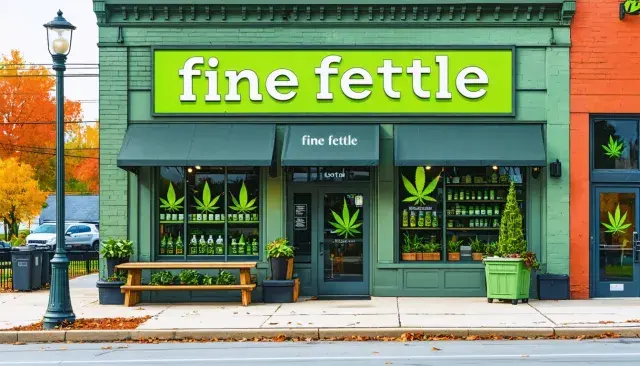
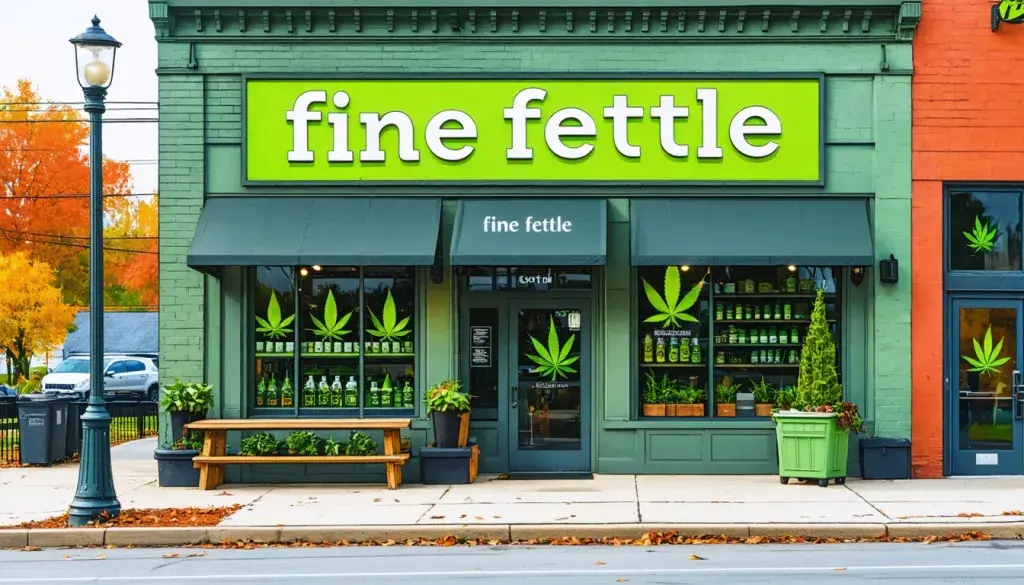
All nine Fine Fettle cannabis dispensaries in Connecticut will shift to hybrid operations starting Thursday, Jan. 15, serving both registered medical patients and adult-use customers. This conversion stems from recent state regulations permitting recreational retailers to join the medical marijuana program, aiming to boost patient access and streamline services. The change positions Fine Fettle to address gaps in medical care availability across multiple communities.
Regulatory Shift Enables Broader Access
Connecticut's medical cannabis program, established years before recreational sales began, has long prioritized consultations with licensed pharmacists for patient care. Recent legislation allows qualified recreational outlets like Fine Fettle to convert into hybrid dispensaries, integrating medical services without disrupting adult-use sales. This adjustment responds to uneven distribution of medical-only facilities, particularly in regions where patients face long travel for specialized products or advice.
Locations and Services Expand Reach
The hybrid model rolls out at Fine Fettle sites in Manchester, Norwalk, Old Saybrook, Waterbury, West Hartford, and four additional locations statewide. Each will provide remote and in-person consultations with pharmacists, maintaining the program's emphasis on personalized guidance. Medical patients gain local options for high-potency products often unavailable at standard recreational stores, while operations consolidate under one roof for efficiency.
Leadership Emphasizes Equity and Efficiency
Benjamin Zachs, Fine Fettle's chief operating officer, described the move as a way to fulfill the company's mission of accessible care. "This change allows us to continue fulfilling our mission of accessible, compassionate care while strengthening the state’s medical program," Zachs said. He highlighted reduced travel burdens for patients and thanked state legislators and the Department of Consumer Protection for facilitating the transition.
Implications for Connecticut's Cannabis Landscape
Hybrid conversions promise greater equity by embedding medical expertise within recreational frameworks, potentially stabilizing the medical program's enrollment amid recreational market growth. Patients benefit from proximity to care, while retailers achieve economies of scale. As more operators follow suit, Connecticut could see a more integrated cannabis ecosystem, balancing health-focused services with consumer demand.