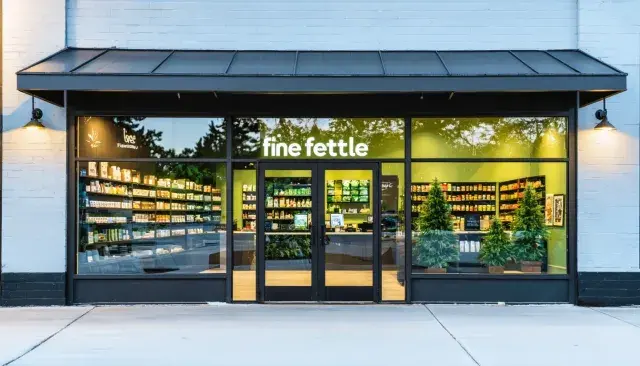
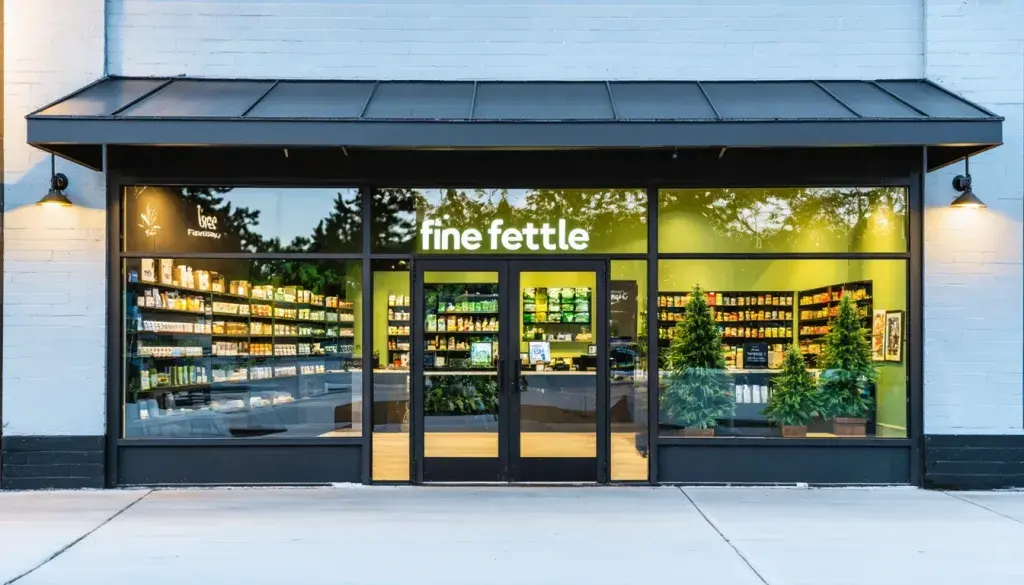
All nine Fine Fettle cannabis dispensaries in Connecticut will shift to hybrid operations on January 15, accommodating both medical patients and adult-use customers. This conversion stems from recent state regulations permitting recreational retailers to serve registered medical marijuana program participants. The change addresses gaps in patient access while boosting operational efficiency statewide.
State Regulations Pave the Way
Connecticut's cannabis landscape has evolved since adult-use legalization in 2021, with the medical program established a decade earlier. Recent legislative and regulatory updates from the Department of Consumer Protection now authorize hybrid models, where retailers can cater to medical patients alongside recreational buyers. Fine Fettle's move capitalizes on these rules to expand services without fragmenting the market.
Expanded Locations and Patient Services
The hybrid rollout covers dispensaries in Manchester, Norwalk, Old Saybrook, Waterbury, and West Hartford, among four others across the state. Each site will provide remote and in-person consultations with licensed pharmacists, a key feature of the state's medical cannabis framework. This setup maintains specialized care standards while broadening availability.
Executive View on Access and Equity
Benjamin Zachs, Fine Fettle's chief operating officer, emphasized the mission-driven aspect. “This change allows us to continue fulfilling our mission of accessible, compassionate care while strengthening the state’s medical program,” he said. He highlighted regional shortages: “In many regions where we operate, there have not been options for medical patients to increase access. We’re changing that.” Zachs also stressed equity, noting patients should not face long travels or limited choices, and credited state lawmakers and regulators for enabling the transition.
Implications for Patients and the Market
Hybrid dispensaries promise shorter wait times and more options for medical patients, particularly in underserved areas. Operators gain streamlined inventory and staffing, fostering a more robust cannabis ecosystem. As Connecticut refines its dual-track system, this model could influence other retailers, enhancing overall program sustainability without diluting medical priorities.