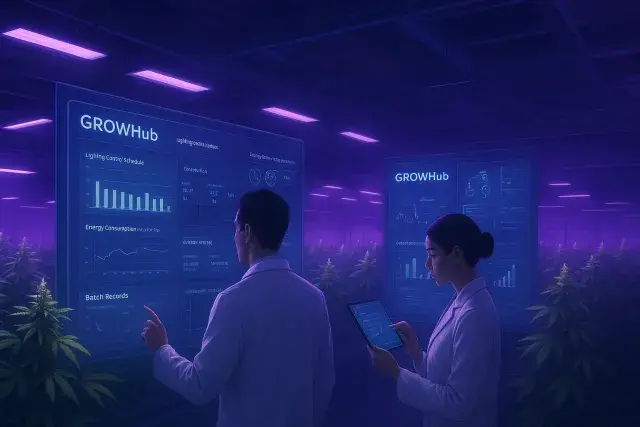
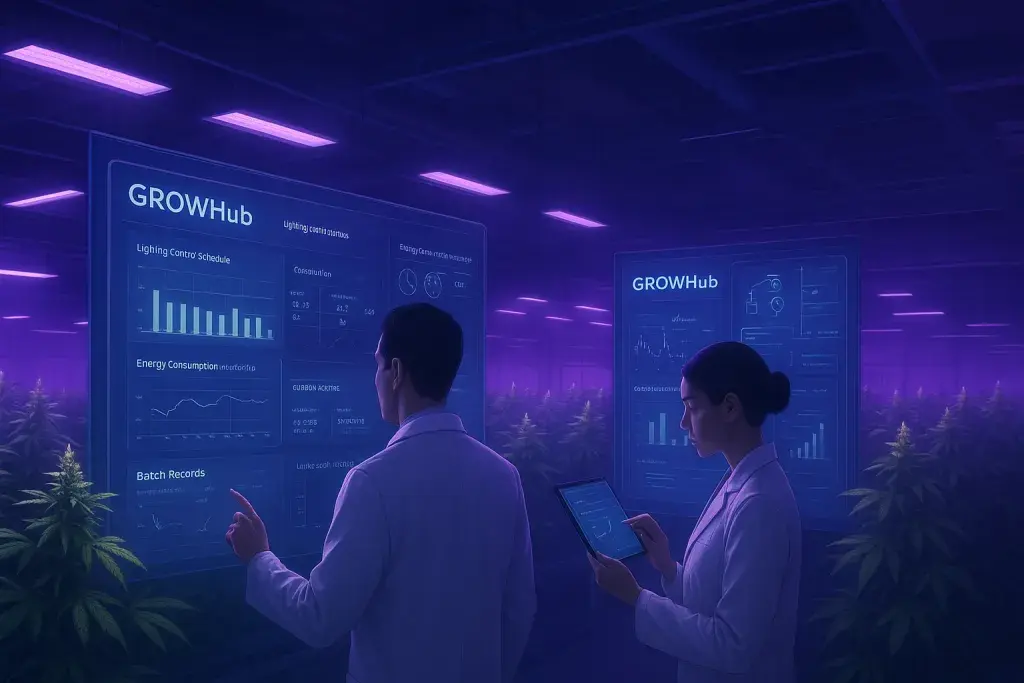
TSRgrow has rolled out a significant 2026 update to GROWHub, its cultivation software platform, adding tools that pull lighting control, energy monitoring, environmental tracking, batch records and Metrc integration into a single connected system. The update matters because commercial cultivators have spent years stitching together separate tools for lighting schedules, compliance logs and energy tracking - a patchwork that tends to break down exactly when regulators or auditors come calling.
Cultivation compliance has always been a different animal than retail compliance, but the pressure points rhyme. Just as dispensary operators need consolidated systems to manage inventory, point-of-sale data and tax reporting across locations - the kind of consolidation platforms like multi location dispensary software ohio operators rely on for seed-to-sale visibility - cultivators need a single source of truth for what happened during a grow cycle. Disconnected spreadsheets and standalone controllers might work for a single-room operation, but multi-site cultivators scaling toward federal rescheduling and tighter state oversight need something more durable.
Why batch records and Metrc integration carry weight
Metrc is the track-and-trace backbone for cannabis in most legal states, and it doesn't forgive sloppy recordkeeping. Manual data entry between cultivation software and a state's seed-to-sale system creates room for transcription errors, mismatched batch identifiers and audit headaches that can stall product movement to processors or retailers. By linking batch-record functionality directly to Metrc workflows, GROWHub aims to close that gap - letting cultivation conditions, settings and harvest data attach to a batch automatically rather than through after-the-fact reconciliation.
That's not a small thing for operators bracing for more regulatory scrutiny. Compliance teams increasingly need to reconstruct a full production history - what lighting recipe ran in which room, what environmental conditions applied, when a batch moved from vegetative to flower - and produce it quickly during an audit. A system that documents this as cultivation happens, rather than reconstructing it later, reduces the labor cost of compliance and the risk of gaps that regulators tend to notice.
Energy monitoring meets facility operations
Energy costs are a real line item for indoor cultivators, and lighting is typically the largest draw. GROWHub's tie-in with TSRgrow's Remote Power infrastructure lets growers view energy consumption alongside cultivation data, which in practice means an operator can start correlating a specific lighting recipe or photoperiod schedule with its actual power draw and, eventually, its yield outcome. Expanded Building Management System connectivity extends that visibility further, linking cultivation software with broader facility systems like HVAC and dehumidification rather than treating them as separate operational silos.
For operators, the practical upside is fewer platforms to log into and fewer disconnected data sets to reconcile at month's end. For an industry still operating under 280E tax constraints, where every dollar of operating cost matters more than it would in an unrestricted business, tighter energy visibility is a legitimate margin lever, not just a technical convenience.
What this signals for cultivation software broadly
GROWHub's shift from lighting-control tool to a broader intelligent cultivation platform reflects where cultivation technology generally seems headed: fewer standalone systems, more integrated ones that treat compliance, energy and crop performance as connected problems rather than separate departments. Whether that consolidation actually reduces operational risk will depend on execution - integrations are only as reliable as the data feeding them - but the direction makes sense for an industry facing more oversight, not less.