Rhode Island's cannabis retail licensing process is back underway after a federal court ruling forced regulators to scrap every pending application and social equity certification earlier this year. The General Assembly has since rewritten the offending residency provisions, and the Cannabis Control Commission is now running a compressed, two-track application window that will determine who gets a shot at the state's remaining retail licenses.
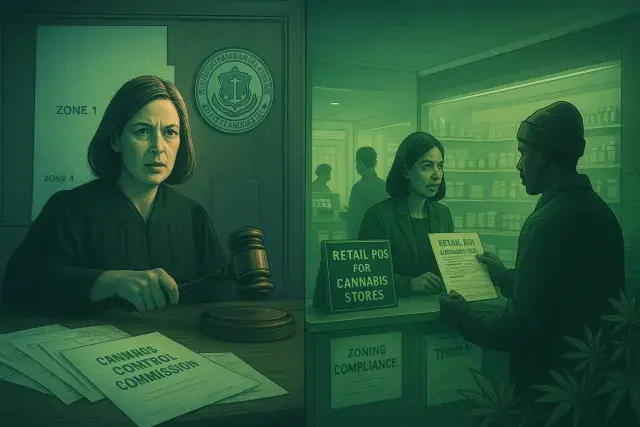
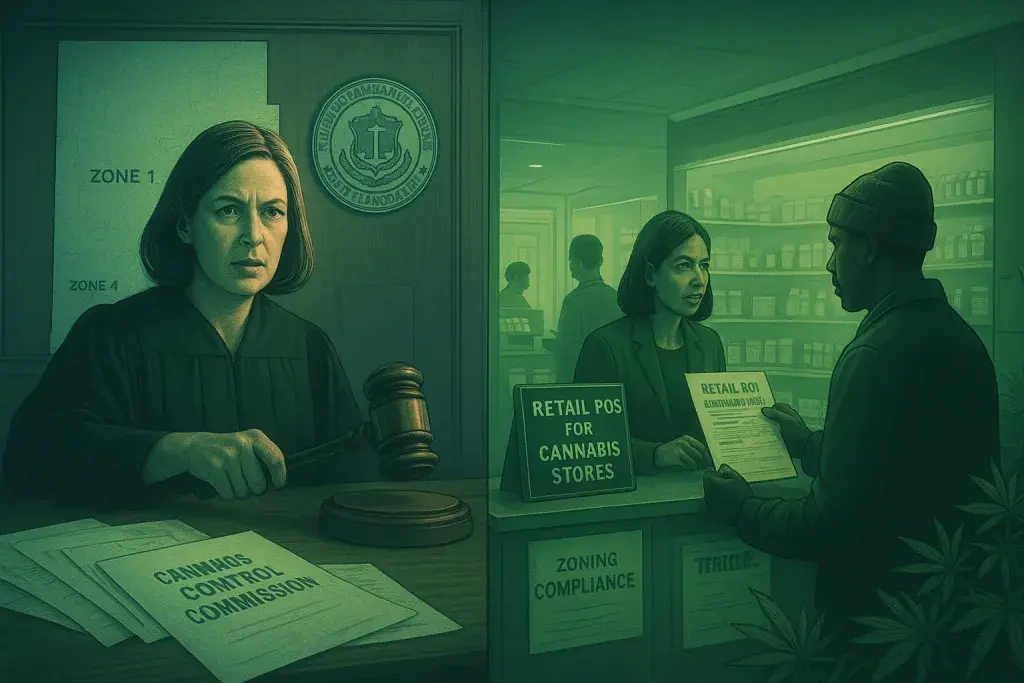
The backstory matters here. A residency requirement - mandating that at least one applicant live in Rhode Island - had already been struck down in other jurisdictions before Rhode Island's own version met the same fate in federal court. Judge Melissa DuBose didn't mince words, calling the fallout "self-inflicted" after the Commission pressed ahead with licensing despite the writing on the wall. That decision voided the entire applicant pool, including social equity certifications years in the making. For operators who had already signed leases, built out compliance logs, and configured a retail POS for cannabis stores in anticipation of opening, the reset was more than a paperwork headache - it was a direct hit to cash flow with no guaranteed payoff. retail POS for cannabis stores
Under the new timeline, social equity certifications are due by September 11, and retail applications close November 23. The General Assembly also stripped out several implicit residency conditions embedded elsewhere in the social equity criteria, a move meant to insulate the program from further constitutional challenges. The Commission was given 60 days from the bill's passage to reopen certifications and stand up a new application process - a tight runway for an agency that's already been through one licensing collapse this year.
Why the Reset Isn't Exactly a Clean Slate
Here's the catch: reopening applications sounds like a fair do-over, but it isn't quite that simple. Groups that have been holding real estate and paying rent on properties for years - solely to remain eligible for the lottery - now compete against new applicants who face none of that sunk cost. Zoning compliance and site control remain hard requirements to pass into the lottery pool, so the applicants who've been bleeding money on leases still need that real estate lined up. The difference is that everyone can now see exactly who applied where, which changes the competitive calculus in ways the original process never had to account for.
The state has approved 24 licenses across six zones, split between social equity, worker cooperative, and general retail categories. The prior lottery, before it was voided, was only set to award 20, because Zone 1 in the north and Zone 4 - covering East Greenwich, North Kingstown, Cranston, and Warwick - didn't draw enough applicants. Whether that gap closes this time around is an open question.
Supply Chain Pressure Is Building Underneath the Licensing Fight
While the legal fight played out, the operational math on the ground kept getting worse for cultivators. Rhode Island currently has nine dispensaries and 55 licensed cultivators, down from 58 earlier this year. Six of those nine dispensaries are partially or fully vertically integrated, meaning they grow a meaningful share of what they sell - which shrinks the wholesale market available to independent cultivators even further. OP Pharm's merger into New Leaf Compassion Center, a vertically integrated medical compassion center, and Blackstone Valley Group's decision not to renew its cultivation license both reflect a market where supply has outpaced retail shelf space for years.
That imbalance is exactly why the Commission had floated slowing retail licensing further, worried that adding dispensaries too quickly would trigger price compression among the nine stores already open. Cultivators see it differently: fewer retail doors means fewer wholesale buyers, tighter margins, and more pressure on smaller grow operations that don't have a retail outlet of their own to fall back on. Whichever way the Commission leans as new applications come in, the tension between protecting existing operators and expanding retail access isn't going away.
What Operators and Investors Should Watch Next
- Whether Zone 1 and Zone 4 draw enough qualified applicants this cycle to fill their license allocations
- How the Commission verifies zoning and real estate control given the compressed application window
- Whether social equity applicants face fewer procedural hurdles under the revised certification criteria
- How vertically integrated dispensaries' wholesale purchasing patterns shift as new retail licenses come online
For now, the process is moving again, but the underlying pressures - cultivator oversupply, thin retail margins, and a licensing framework still finding its footing after a second false start - haven't gone anywhere.