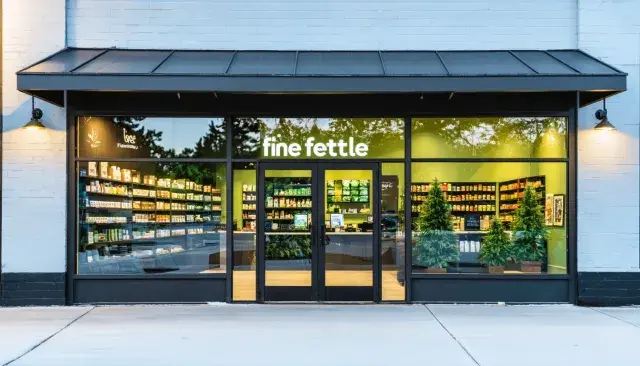

Illinois hemp businesses are making a last legal stand before a state law that would push most intoxicating hemp products out of general retail and into licensed dispensaries only. The Illinois Healthy Alternatives Association filed suit Thursday seeking a temporary restraining order and preliminary injunction against Attorney General Kwame Raoul and other officials, with the Illinois Hemp Act set to take effect Nov. 12. The stakes are straightforward: an industry built on a federal loophole now faces a state law that could erase an entire product category in a matter of days.
What the Hemp Act Actually Changes
The Hemp Act would reclassify hemp-derived THC beverages and cannabinoid products as cannabis, meaning sales would be restricted to licensed dispensaries rather than the breweries, taprooms, convenience stores, and smoke shops currently stocking them. That's a fundamental shift in distribution channel, not a labeling tweak. For a brewery that built a wholesale menu around canned THC seltzers, this isn't a compliance adjustment - it's the loss of a sales channel entirely, since most aren't licensed cannabis retailers and have no path to becoming one overnight.
The lawsuit argues the law violates the Commerce Clause and carries other constitutional defects, a legal theory that echoes challenges seen in other states trying to regulate hemp-derived THC after the federal government left a gap in the 2018 Farm Bill. That bill legalized hemp with THC concentrations under 0.3 percent on a dry weight basis, a threshold regulators assumed was too low to intoxicate. Beverage and edible makers found ways around that assumption through concentration and formulation, and a multistate market emerged with essentially no uniform testing or labeling standard.
Why Dispensary-Only Sales Changes the Economics
Moving hemp THC products behind dispensary doors means they'd suddenly be subject to the same regulatory scaffolding as adult-use cannabis: licensing fees, seed-to-sale tracking, lab testing with certificates of analysis, excise tax, and compliant packaging rules. That's a heavier compliance lift than a brewery's existing alcohol permitting, and it changes wholesale pricing dynamics across the board. Dispensary operators, for their part, would gain a new product category to stock - but only if hemp brands can restructure supply chains to meet METRC-style tracking and testing requirements that most were never built to handle.
In practice, though, most hemp beverage producers aren't set up to become cannabis-licensed manufacturers or to sell exclusively through dispensary wholesale menus. license caps and the cost of entry into Illinois's adult-use market make that pivot unrealistic for smaller operators on a short timeline. The more likely outcome for many is liquidation - which is exactly what's happening, with producers unloading inventory and halting production ahead of the deadline rather than betting on a court win.
The Bigger Clock: A Federal Deadline Too
Even a favorable ruling in Illinois wouldn't fully resolve matters. A federal ban on intoxicating hemp products is scheduled to take effect Dec. 11, though legislation pending in Congress could push that deadline to 2028. That timing mismatch puts operators in a strange position: a state injunction might buy a few weeks, but a federal rule would still loom over the category regardless of how the Illinois case turns out.
There's also a consumer-protection thread running under this fight. Critics of the unregulated hemp market have pointed to smoke shops selling THC products with little oversight, raising concerns about underage access and inconsistent potency labeling - concerns that look a lot like the reasons state cannabis programs require lab testing and age verification in the first place. Local officials in Chicago have already moved on this at the ward level, with a citywide ban passing City Council before being vetoed by Mayor Brandon Johnson earlier this year. Whatever happens in court, the underlying tension - unregulated hemp retail versus the compliance-heavy cannabis system operators already live under - isn't going away.