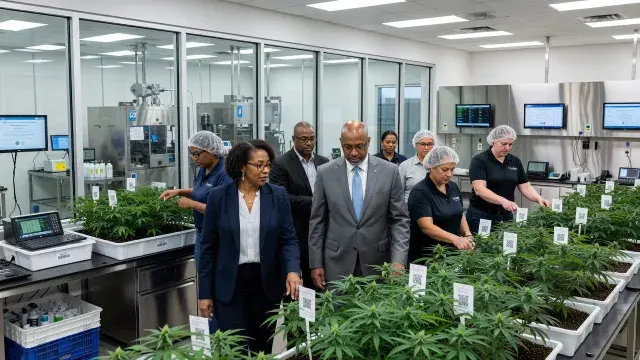
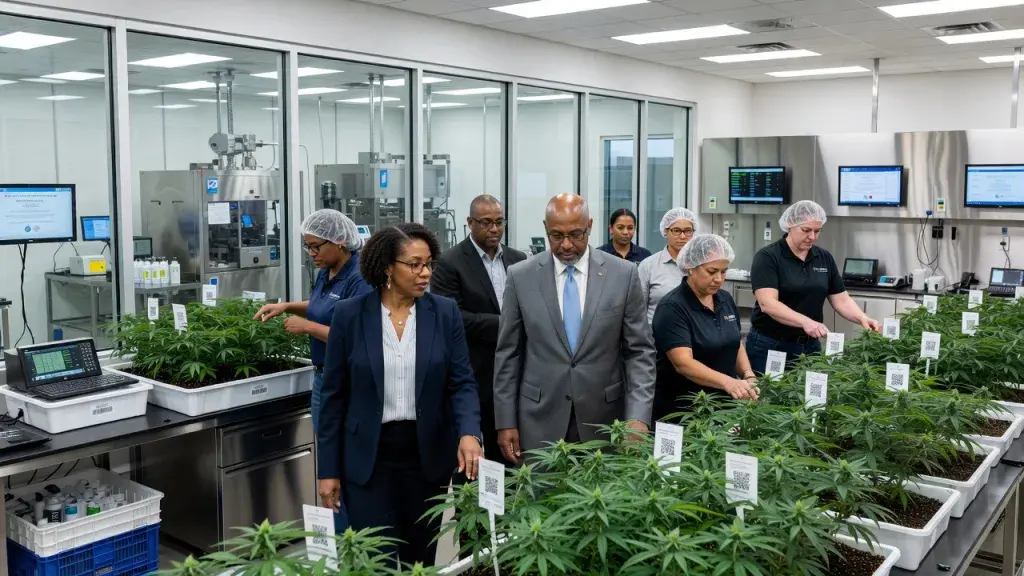
A licensed medical cannabis producer in Macon-Bibb County is trying a different lobbying strategy this year: instead of testimony alone, it invited lawmakers, physicians, and patients to walk the production floor. Fine Fettle, one of only three companies licensed to grow, manufacture, and distribute medical cannabis in Georgia, hosted the tour as legislation to expand the state's decade-old program stalled again in the General Assembly. The move comes after Senate Bill 220 and House Bill 227 both failed to advance this session, leaving patient access largely unchanged since Georgia first legalized low-THC oil a decade ago.
That gap between legalization on paper and access in practice is the real story here. Georgia's medical cannabis framework is narrow by design - a limited number of qualifying conditions, a small vertically integrated licensee pool, and a product menu that hasn't kept pace with what patients and doctors say they need. For operators trying to run compliant, auditable businesses inside that structure, the operational stakes are high: every batch has to be tracked from cultivation through processing to dispensary shelf, with lab testing and certificates of analysis backing up potency and safety claims before a product ever reaches a patient. Back-end systems matter as much as the grow room; multi-state operators watching Georgia's slow rollout know that inventory control, patient recordkeeping, and dispensary-side tools - the kind of platform used for crm software for a marijuana dispensary nevada operators, for instance - are what keep a tightly regulated program defensible when regulators or lawmakers come asking questions.
Why the Legislation Keeps Stalling
Senate Bill 220 and House Bill 227 would have made it easier for Georgians to qualify for a medical cannabis card and updated allowable product forms to give physicians more effective options. Neither bill got out of its chamber. That's not unusual for cannabis measures in Georgia; the state legalized low-THC oil years before Fine Fettle and its counterparts were licensed to actually produce it, and expansion efforts since then have moved in inches, not miles. For an industry that runs on predictable rulemaking - license terms, product forms, testing standards - that kind of legislative gridlock creates real planning problems for licensees trying to build out product lines or budroom inventory around demand that regulators haven't yet authorized them to meet.
The Access Gap Doctors Are Flagging
Dr. Elmore Alexander, who joined the tour, put a number on the problem: existing products cover roughly 80% of patients, he said, leaving a smaller but clinically significant group without adequate options. That's the crux of the expansion argument - not that current products are unsafe, but that the approved list is too narrow to serve every patient who might qualify. State Representative Anissa Jones said seeing the cultivation and manufacturing process firsthand changed how she thinks about the program's controls, describing it as far more regulated than she expected. That kind of firsthand exposure - lawmakers watching batch tracking and manufacturing controls up close - is precisely what operators are betting on to move stalled bills forward.
What It Means for Operators and Patients
For Georgia's small licensee pool, facility tours double as compliance demonstrations and advocacy tools. Showing regulators exactly how product moves from seed to shelf, with documentation at every step, is meant to counter the assumption that expanding the program means loosening oversight. Whether that argument moves the legislature next session remains an open question. In the meantime, patients with conditions outside the current product scope are left waiting on lawmakers to revisit bills that, so far, haven't survived committee.